Claim Your Free Metalwork Quote Today! Accepts Zelle, Cash, Check, and Credit Card. All credit card transactions get a 3.5% convenience fee.
History, Character, and Craftsmanship in One Place
A Neighborhood Shaped by Rolling Hills and Historic Roots
The landscape defines daily life in this Virginia community. Sloped lots and terraced yards create striking visual layers, but they also present practical challenges for property owners. Retaining walls and graded driveways become necessary infrastructure rather than decorative additions. Homeowners frequently contend with drainage patterns shaped by the terrain, particularly during spring rains when runoff follows predictable paths through older neighborhoods.
The housing stock reflects multiple decades of architectural evolution. Mid-century ranch homes share streets with newer two-story constructions, and many properties have undergone renovations that blend original character with contemporary needs. Front porches remain common features, and mature oak trees provide shade that becomes invaluable during Virginia’s humid summer months. Residents value the established feel of tree-lined streets and the sense of continuity that comes from long-term neighbors who maintain pride in their properties.
These characteristics create specific needs for property enhancements. Exterior features must accommodate slopes, complement varied architectural styles, and withstand seasonal weather patterns. Homeowners often seek solutions that respect the neighborhood’s established character while adding functional value. Custom metalwork serves these purposes naturally, offering durability and design flexibility that adapts to both the physical terrain and the aesthetic expectations of a mature residential area.
What Draws Families and Long-Term Residents to This Area
Stability and accessibility define the community’s appeal. The proximity to Charlottesville provides employment opportunities and cultural amenities without the density of urban living. Residents benefit from shorter commute times and lower property costs compared to developments closer to the city center, yet they maintain access to quality schools and medical facilities. This balance attracts families planning long-term stays rather than transient populations.
The neighborhood supports a walkable lifestyle within its boundaries. Local parks serve as gathering points for families with young children, and sidewalks connect residential streets to small commercial areas. Residents report a strong sense of recognition among neighbors, the kind of familiarity that develops when people remain in place for years rather than seasons. Annual community events reinforce these connections, creating informal networks that support property maintenance advice and local service recommendations.
Property pride runs high among homeowners who view their investments as multi-decade commitments. Landscaping receives regular attention, and exterior upgrades trend toward quality materials and timeless designs rather than fleeting trends. When residents choose to enhance their properties, they typically prioritize improvements that will serve their families for years and appeal to future buyers should circumstances change. This mindset creates demand for durable, well-crafted exterior features that justify their initial cost through longevity and sustained visual appeal.
Seasonal Considerations and Infrastructure That Matters
Virginia’s four-season climate places real demands on exterior property features. Spring brings extended periods of moisture that test drainage systems and reveal weaknesses in structural supports. Summer humidity accelerates weathering on painted surfaces and untreated wood, while autumn leaf accumulation requires regular maintenance of gutters and outdoor features. Winter temperatures occasionally drop below freezing, creating expansion and contraction cycles that affect improperly installed fixtures.
Homeowners in sloped areas face particular challenges with water management. Retaining walls must handle hydrostatic pressure during wet months, and outdoor staircases need secure anchoring to prevent shifting. Garden beds often require edging that prevents soil migration, and decorative fencing must withstand both wind exposure and ground movement. These practical requirements make material choice critical, and homeowners quickly learn which solutions perform across all four seasons versus those that fail within a few years.
The infrastructure supporting daily life includes elements residents notice only when they underperform. Mailbox posts that lean after ground freeze, gate hinges that rust in humidity, porch railings that wobble under normal use, and decorative elements that fade or corrode prematurely all represent common frustrations. Thoughtful homeowners increasingly seek materials and construction methods that eliminate these recurring problems. Metal fabrications, particularly those designed for outdoor exposure, provide solutions that maintain both function and appearance through seasonal cycles without the rot, warping, or degradation associated with alternative materials.
How Custom Metalwork Enhances Property Character and Value
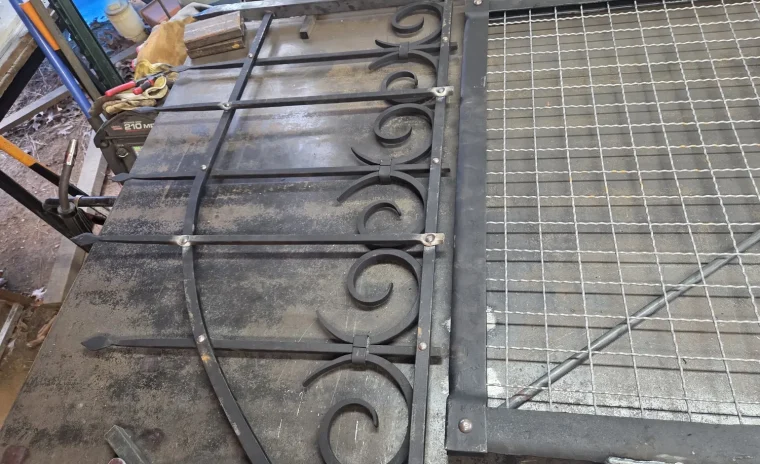
Architectural diversity within the community creates opportunities for personalized exterior enhancements. Custom iron railings can complement the clean lines of a mid-century home or add period-appropriate detail to a traditional colonial facade. Garden gates, address plaques, and decorative hardware allow homeowners to express individual style while respecting the neighborhood’s established character. These elements distinguish properties in subtle but meaningful ways, contributing to curb appeal that resonates with both current residents and prospective buyers.
Functional needs often drive initial inquiries, but design possibilities expand the conversation. A homeowner seeking a secure railing for steep front steps discovers options for integrated planters or custom scrollwork that transforms a safety requirement into a signature feature. A family needing a driveway gate learns that proper metalwork can provide security without the fortress-like appearance of chain link fencing. These conversations reveal how skilled fabrication addresses practical requirements while elevating the aesthetic outcome beyond standard, off-the-shelf solutions.
The longevity of properly crafted metalwork adds financial logic to the aesthetic appeal. Unlike wood features that require repainting, sealing, or eventual replacement, quality ironwork maintains its integrity for decades with minimal maintenance. This durability particularly suits homeowners who plan to age in place or build equity over extended ownership periods. The initial investment distributes across many years of service, ultimately delivering better value than repeatedly replacing cheaper alternatives. For properties in a neighborhood where homeowners take pride in maintenance and presentation, permanent improvements align with community standards and resident expectations.
Planning Smart Property Improvements for the Long Term
Successful property enhancements begin with clear assessment of both immediate needs and future intentions. Homeowners benefit from evaluating which exterior features currently underperform, which safety concerns require attention, and which aesthetic opportunities would increase daily enjoyment of the property. This honest inventory prevents impulsive decisions and focuses resources on improvements that deliver measurable benefits. Consulting with skilled fabricators during the planning phase often reveals possibilities homeowners had not considered and helps establish realistic timelines and budgets.
Material selection carries long-term consequences that extend well beyond initial cost comparisons. The lowest bid frequently represents the lowest quality, and homeowners who prioritize price alone often face premature replacement costs that erase any initial savings. Evaluating fabrication methods, material grades, finish quality, and installation techniques provides a more accurate picture of true value. Established service providers bring both technical skill and design experience to projects, helping homeowners navigate choices that balance budget constraints with performance expectations.
The decision to invest in custom metalwork reflects a commitment to quality and permanence. Homeowners who choose this path typically value craftsmanship, appreciate materials that improve with age rather than deteriorate, and understand that their property decisions affect neighborhood character as much as personal satisfaction. Working with fabricators who understand regional conditions, respect architectural context, and deliver work that withstands scrutiny ensures that improvements enhance rather than detract from property value. For residents planning to remain in the community, these choices shape daily experience and contribute to the collective appeal that makes the neighborhood desirable. Thoughtful planning today creates benefits that extend across decades, supporting both personal enjoyment and financial wisdom.